
Why Quiet Spaces Matter in London
London is one of the busiest cities in the world, and modern city life rarely leaves space to pause.
The constant movement of traffic, crowded commutes, notifications, conversations, and endless stimulation can make true silence feel almost impossible to find. Over time, this level of stimulation can lead to mental fatigue, stress, difficulty concentrating, and a growing sense of overwhelm.
For a lot of people, noise has become such a normal part of daily life that moments of real quiet feel unfamiliar.
Yet, despite the pace of the city, quiet spaces in London still exist. Hidden between busy streets are parks, gardens, and green spaces where the noise softens and the nervous system can finally slow down.
Some of these places have even been recognized through the work of Quiet Parks International, an organization dedicated to protecting natural quiet spaces around the world. They teach us that, even in one of the world’s busiest cities, there are places where people can step away from constant noise and reconnect with stillness.
What Are Quiet Parks?
A quiet park is a protected natural space, often found near or within cities, where ambient noise is limited so visitors can immerse themselves entirely in natural sounds. These sanctuaries aim to keep background noise below 45 decibels, providing calm, mindfulness, connection with nature, and acoustic escape from urban environments.
Quiet Parks International
Quiet Parks International, is a non-profit organization who pushes to protect natural soundscapes.
They classify these spaces into several categories:
- Urban Quiet Parks: Natural sanctuaries inside or on the edges of major cities that give city residents a culturally relevant, peaceful escape.
- Wilderness Quiet Parks: Deep in nature, these environments must have dependable, noise-free intervals of 15 minutes or more, with zero man-made sounds.
- Quiet Conservation Areas: A natural or protected place (like a park, forest, lake, coastline, or historical site) that has an intentional plan to preserve peace and reduce noise.
- Quiet Trails: Natural areas with paths, trails, or other opportunities for movement and tranquil experiences
- Quiet Stays: Buildings or properties that offer any combination of quiet guestrooms, programming, natural surroundings, or amenities.
We have found their mission extremely profound: “To save quiet for the benefit of all life.”
The Best Quiet Parks in London
Here are some of the best quiet parks in London!
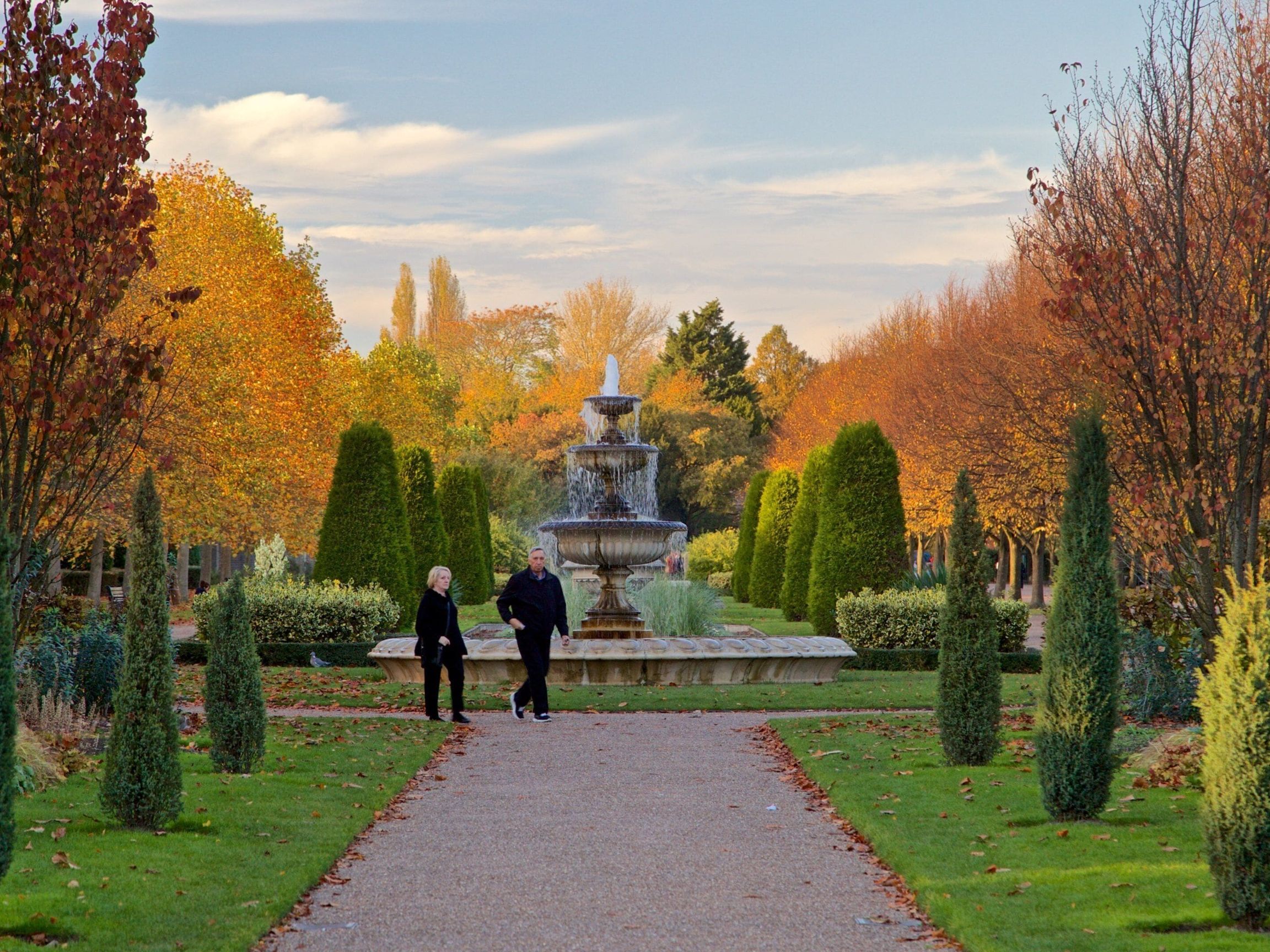
1. Regent’s Park
Regent’s Park is one of London’s largest and most peaceful green spaces, known for its wide- open parkland, gardens, lakes, and quiet walking paths. It is one of the Royal Parks of London, and occupies 410 acres in north-west London.
The park is largely pedestrian-friendly and includes beautiful areas such as Queen Mary’s Gardens, making it a popular place for relaxation, mindful walks, and escaping the noise of the city.
- Photo: Regent’s Park – The Royal Parks Official Website
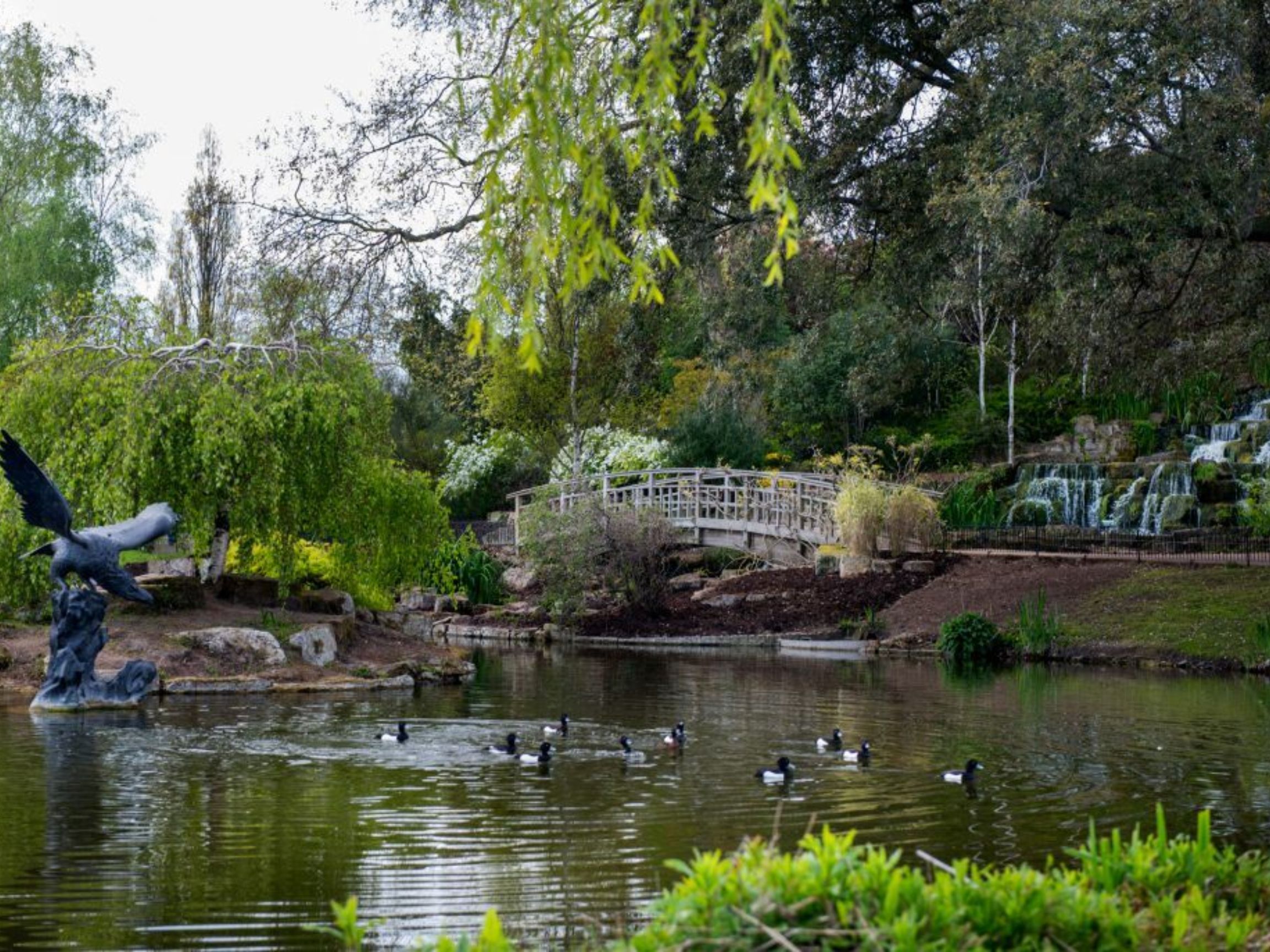
2. St. Dunstan in the East Church Garden
St. Dunstan in the East Church Garden is one of London’s most unique quiet spaces. Set within the ruins of a historic church, the garden combines nature, silence, and architecture in a way that feels extremely meditative. The atmosphere here feels surprisingly calm despite being located in the centre of the city.
For those who love history: Originally built around the year 1100, the church was heavily damaged during both the Great Fire of London and the Blitz of 1941. Instead of rebuilding it completely, the remains were later transformed into a public garden, creating the peaceful urban sanctuary that exists today.

- Photo: St. Dunstan in the East Church Garden – City of London Official Website
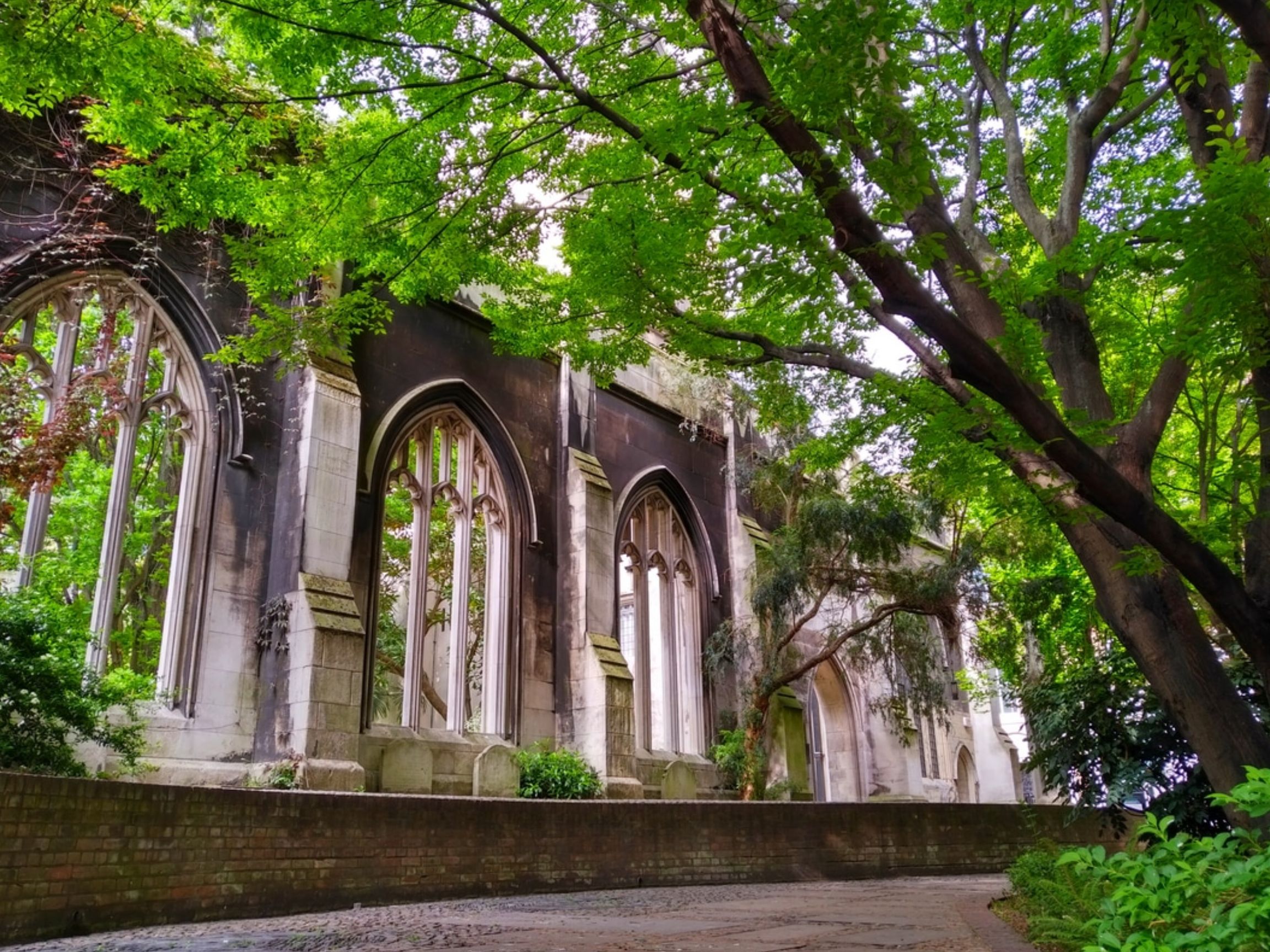
3. Hampstead Heath
Hampstead Heath is one of London’s most well-known quiet natural spaces and was recognized as Europe’s first Urban Quiet Park by Quiet Parks International. Despite being within one of the busiest cities in the world, the park offers large open meadows, wooded trails, ponds, and sweeping views that create a strong sense of escape from urban noise.
Its size, forests, and hilly landscape help reduce surrounding city sound, making it one of the best quiet spaces in London for silent walks, reflection, and disconnecting from technology.
- Photo: Hampstead Heath – City of London Official Website
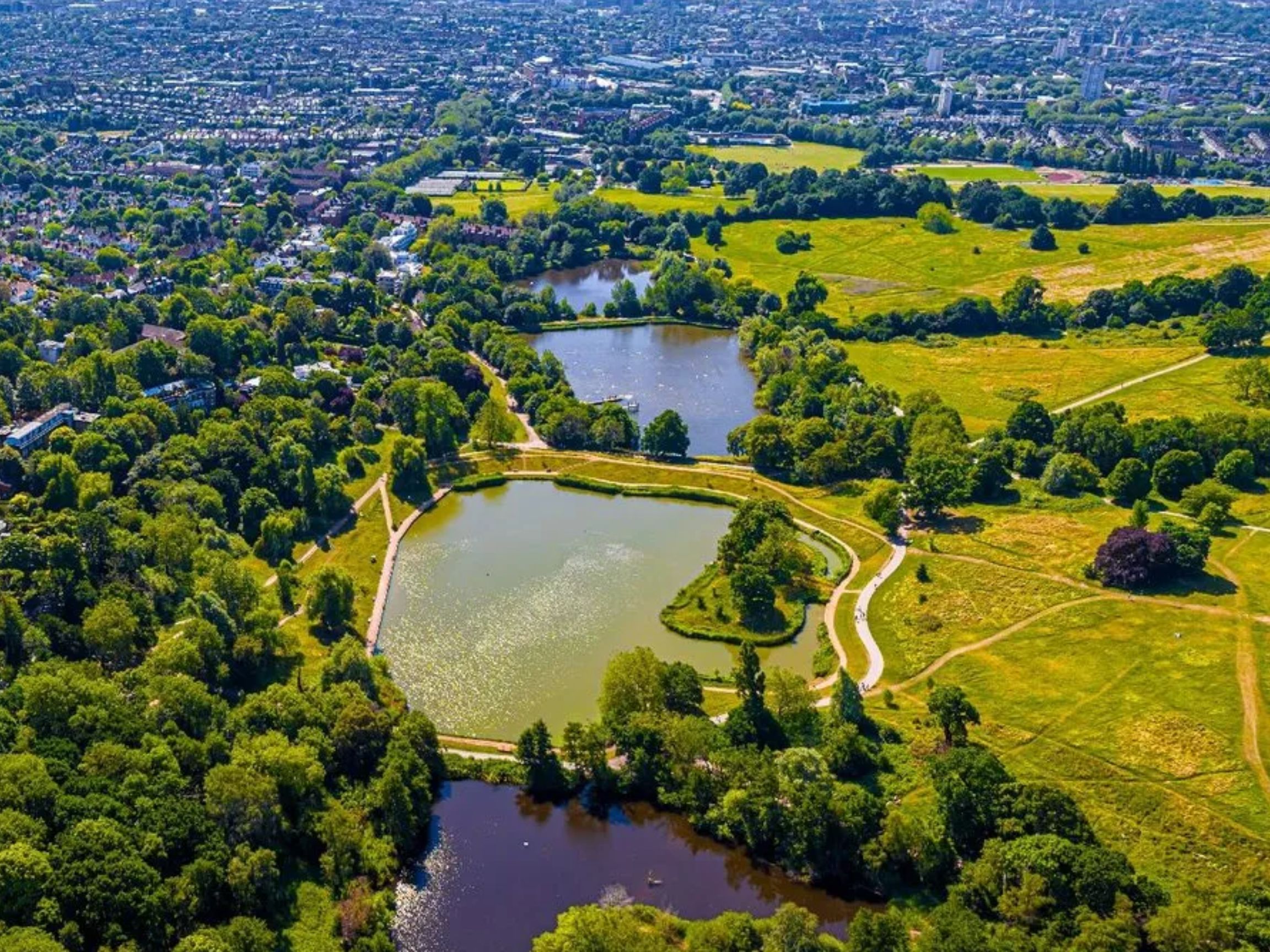
4. Walthamstow Wetlands
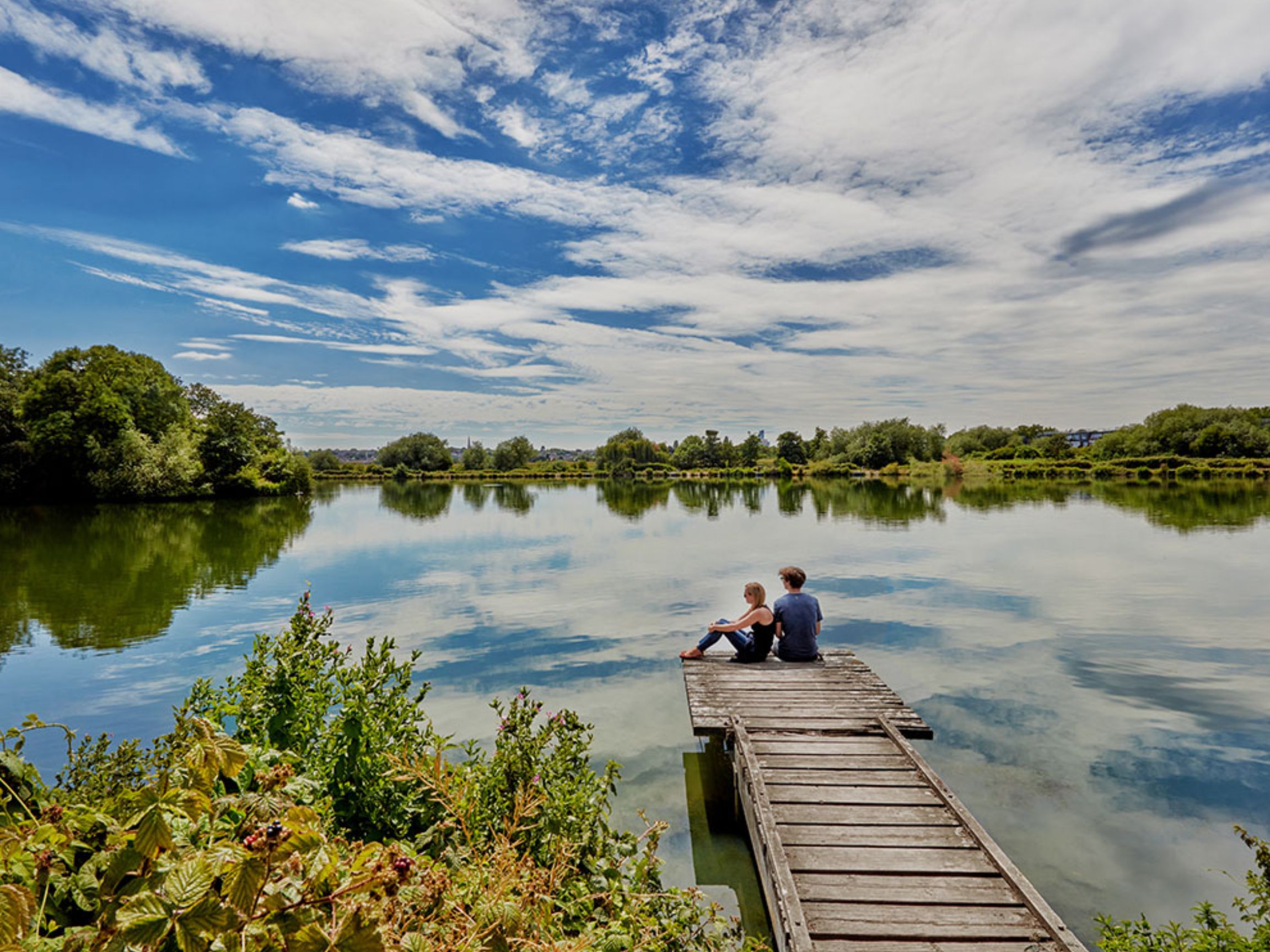
Walthamstow Wetlands offers a very different kind of quiet space in London. Just a short distance from the city center, this large wetland reserve replaces the sound of traffic with birdsong, wind, and water. With open landscapes, reservoirs, and natural walking paths, the atmosphere feels slower and calmer than the pace of the surrounding city.
As one of Europe’s largest urban wetland reserves, it is home to a wide range of wildlife and provides an important natural refuge within London. The combination of water, open sky, and quiet pathways makes it an ideal place for observation, mindfulness, photography, and sensory rest.
- Photo: Walthamstow Wetlands – Official Website
Silent Walks in London: How to Turn a Walk Into a Mindfulness Practice
One of the simplest ways to experience quiet spaces in London more deeply is through silent walking. The goal of a silent, mindful walk is not exercise alone, but presence.
Instead of rushing from one place to another, silent walks encourage you to:
- Slow your pace
- And pay attention to your surroundings
Notice the sound of birds, the movement of trees, the feeling of your breath, or the rhythm of your footsteps. Even small moments of observation can help bring attention back to the present moment.
You do not need a complicated routine to begin. Simply walking quietly through a park, without music or podcasts, allows the nervous system to slow down and recover from overstimulation. Over time, this kind of mindful walking can reduce stress, improve focus, and create a stronger sense of clarity.
Why Quiet Spaces Are Important
In our article about silent parks in Barcelona, we explored why quiet green spaces can be so beneficial for mental wellbeing. Spending time in peaceful natural environments has been linked to reduced stress, improved focus, nervous system regulation, sensory recovery, and greater emotional clarity.
Silence in nature can also encourage creativity, reflection, and a stronger awareness of both the body and the environment around us. A quiet park is not just a green space. It becomes a space to think more clearly.
If you want to dive deeper into this, check out our other article.
How To Use Quiet Parks Intentionally
Here are some ideas for you to use next time you visit a quiet park:
- Leave your phone in your pocket
- Sit for 10 minutes without distraction
- If you feel like you could use some movement, you can stretch or go for a meditative walk
- Practice breathing exercises
- Journal afterward
- Visit during quieter hours
- Go alone occasionally
It takes some getting used to, to just sit and welcome the silence and stillness. So, at the beginning, it is okay to maybe practice a hobby such as painting, drawing, taking pictures, cloud watching, until you feel comfortable enough to just be one with nature and your thoughts.
Silence Still Exists in the City
London may be known for movement and noise, but quiet still exists within it. These parks offer more than just beautiful natural landscapes, they offer space to slow down, reflect, and reconnect with yourself. If you are curious about other Quiet Parks around the world, feel free to check out their website.
Sometimes the most restorative thing you can do in a busy city is simply walk somewhere quiet and listen to nothing.
Follow us on Instagram to learn more about silence and urban well-being @silentfocus.co, and if you like this style of content join our newsletter.