Recently, we published an interview with acoustic ecologist Gordon Hempton, who spoke about what a silent retreat sounds like and the importance of noise, or perhaps more importantly, the lack of it.
During our conversation, we explored his love of the natural world, his work with Quiet Parks International, and the role our senses play in helping us connect more deeply with our surroundings. In previous articles, we have also discussed the benefits of mindful walking and spending time in quiet natural spaces.
All of these ideas point toward a practice we have not yet explored in depth: forest bathing. Despite its name, it has nothing to do with water. Instead, it is about slowing down, engaging the senses, and experiencing nature in a more intentional way.
What is Forest Bathing?
Shinrin-Yoku is a Japanese term for what we call “forest bathing” or “taking in the forest atmosphere”. The concept originated in Japan in the 1980s, and was actually initially developed as a public health initiative.
Far from a strenuous hike, it involves slow walking, or even sitting if you prefer, quiet breathing, and simply observing the forest atmosphere. The focus here is on slowing down and engaging the senses.
The Origins of Shinrin-Yoku
Culturally, Japan has always had a strong connection to nature and silence. However, with industrialization, like many other places in the world, the country found itself surrounded by heavy traffic, dense populations and long hours spent in offices.
In 1982, the Japanese Ministry of Agriculture, Forestry, and Fisheries coined the term Shinrin-yoku. It was originally promoted as a way to encourage people to spend more time in nature and reduce the effects of stress and urban living.
After people began practicing forest bathing, researchers started investigating its effects scientifically. This led to the creation of forest medicine in the early 2000s: the scientific study of how forest environments influence human health. Forest medicine combines elements of preventative, environmental, and complementary medicine to better understand how nature aids both physical and mental health.
In 2004, the Japanese Society of Forest Therapy was established to conduct research on the health benefits of forest environments.
In 2018, one of the most influential figures in forest medicine, Dr. Qing Li, published his book, Forest Bathing: How Trees Can Help You Find Health and Happiness. In it, he notes that modern humans spend approximately 93% of their time indoors, highlighting the growing disconnect between people and the natural world.
As a result of this research and evidence, Japan now has certified forest therapy trails and forest therapy programs.
The Science Behind Forest Bathing
Forest medicine has shown scientifically that forest bathing is not just a wellness practice, but an evidence-based approach to health and wellbeing. Here are some of the benefits, explained as simply as possible:
The Role of Trees
Researchers believe that the combination of experiences that nature provides have a huge impact on our wellbeing. The quiet atmosphere, natural beauty, fresh air, pleasant scents, and gentle sounds of the forest all engage our senses in a way that helps the body and mind relax.
Interestingly, smell appears to play a particularly important role. Trees release natural compounds known as phytoncides, which are airborne antimicrobial compounds that they release to protect themselves from insects, bacteria, and fungi. They are also responsible for the fresh, earthy scent often associated with forests. Studies suggest that exposure to this compound may help reduce stress levels and support immune function, contributing to some of the health benefits linked to forest bathing.
Reduced Stress
There are 3 types of stress hormones: adrenaline which indicates mainly mental stress, noradrenaline which indicates physical stress, and cortisol which can indicate both. The phytoncides we were just talking about are scientifically proven to reduce mainly adrenaline, but also noradrenaline, meaning a significant impact on mental stress as well as a noticeable impact on physical stress.
Immune System Regulation
Stress can have a negative impact on the immune system (more stress = weaker immune system). Research has found that forest environments have the opposite effect. By reducing stress, forest bathing allows the immune system to flourish.
By reducing stress hormone levels, forest bathing subsequently reduces blood pressure.
Nervous System Regulation
Forests also regulate the nervous system. The system is made of two parts, the sympathetic (what we could call fight or flight), and the parasympathetic (rest and recovery). Studies have reported that forest bathing can reduce the activity of the former and increase the latter.
Additionally, it is reported that two hours of forest walking improved sleep conditions for individuals with sleep complaints, possibly as a result of exercise and emotional improvement.
Better Attention
In our article The Difference Between Rest and Distraction we wrote about the attention restoration theory, also known as ART. The theory states that there are two modes of attention: directed attention, which requires deliberate focus on tasks such as studying or navigating social media, and undirected attention, where the mind is not purposefully focusing but naturally lets its attention wander. Studies show that nature allows directed attention to recover.
Forest Bathing vs Hiking
| Hiking | Forest Bathing |
| Destination focused | Experience focused |
| Exercise | Awareness |
| Faster pace | Slower pace |
| Achievement | Presence |
How to Practice Forest Bathing
- Leave your phone behind or silence it.
- Walk slowly.
- Notice sounds.
- Observe colours and textures.
- Feel the ground beneath your feet.
- Sit quietly.
- Breathe deeply.
- Resist the urge to rush.
At our corporate silent retreats we often add silent hikes into the agenda and we find that guests have a hard time walking slowly. They are always trying to pass the lead instructor Heather.
Offering forest bathing in your retreat schedule will allow these fast walkers a space to just sit quietly and calmly as a group and enjoy the wilderness around them. It can be difficult to slow down so before you begin, remember, the goal is not to get somewhere. The goal is to notice where you already are.
Once you begin try to:
- Use all of your senses: stop to touch the trees, notice the sunlight, feel it on your skin, or try to pick out the serene noises that surround you.
- Pay attention to your breathing: Try closing your eyes and taking 10 slow, deep breaths in and out, then gently open your eyes and bring your awareness back to the forest.
- Stay as long as you feel comfortable: two hours is the recommended time, however if you have a busy schedule even just 10 minutes can help you reset.
The Best Places for Forest Bathing in Catalonia
If you live near Barcelona, there are some beautiful places where you can enjoy some forest bathing, such as:
Montseny Natural Park
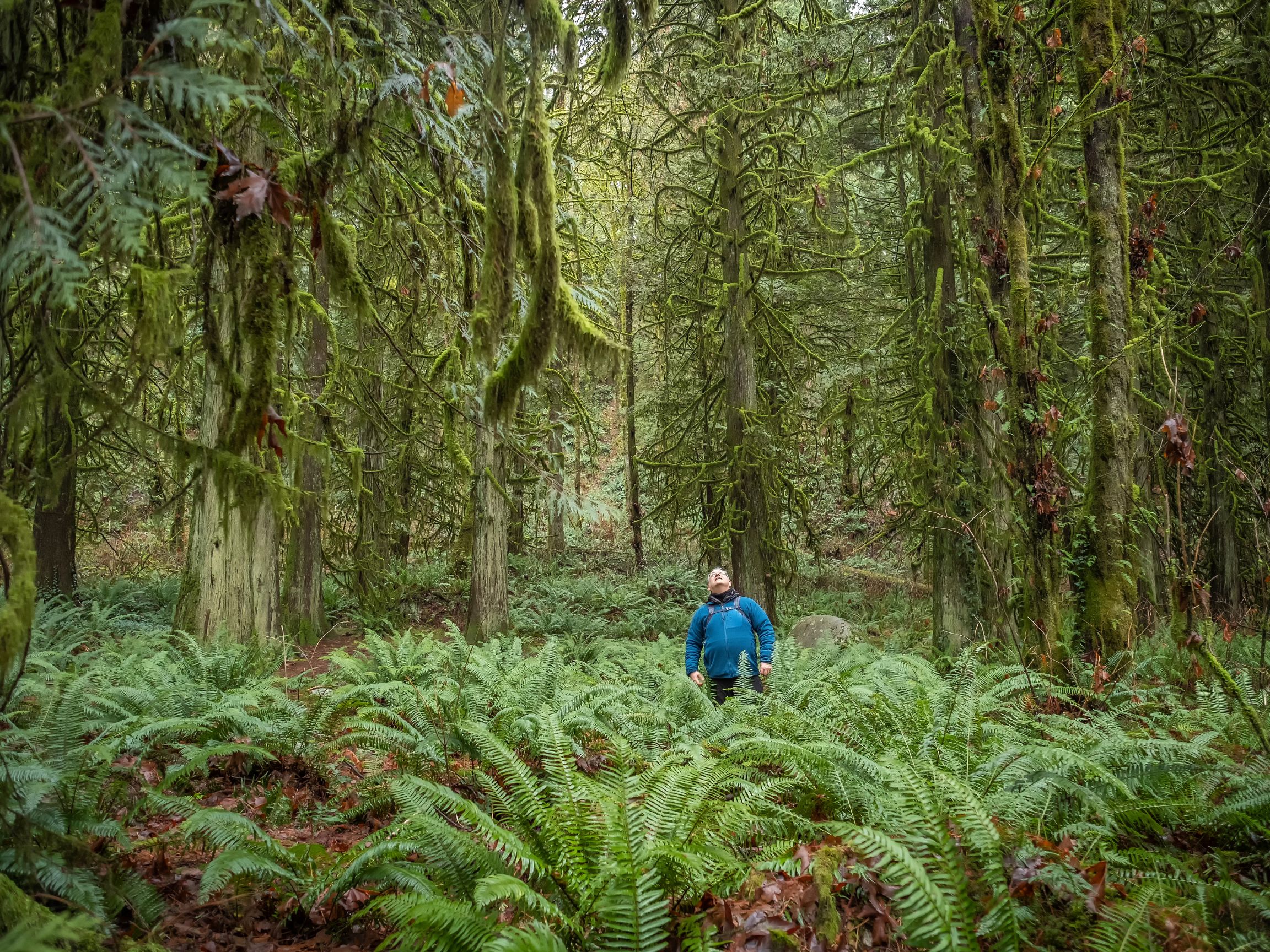
Located just north of Barcelona, Montseny is one of the most accessible places for forest bathing in Catalonia. It forms part of the UNESCO-designated Montseny Biosphere Reserve, recognized for balancing conservation with traditional human activity. Its dense woodlands, shaded trails, and rich biodiversity create an ideal environment for slow, mindful walks. The park’s peaceful atmosphere makes it easy to disconnect from technology and reconnect with nature.
- Photo: Montseny Natural Park – Spain’s Official Tourism Website
La Garrotxa Volcanic Zone
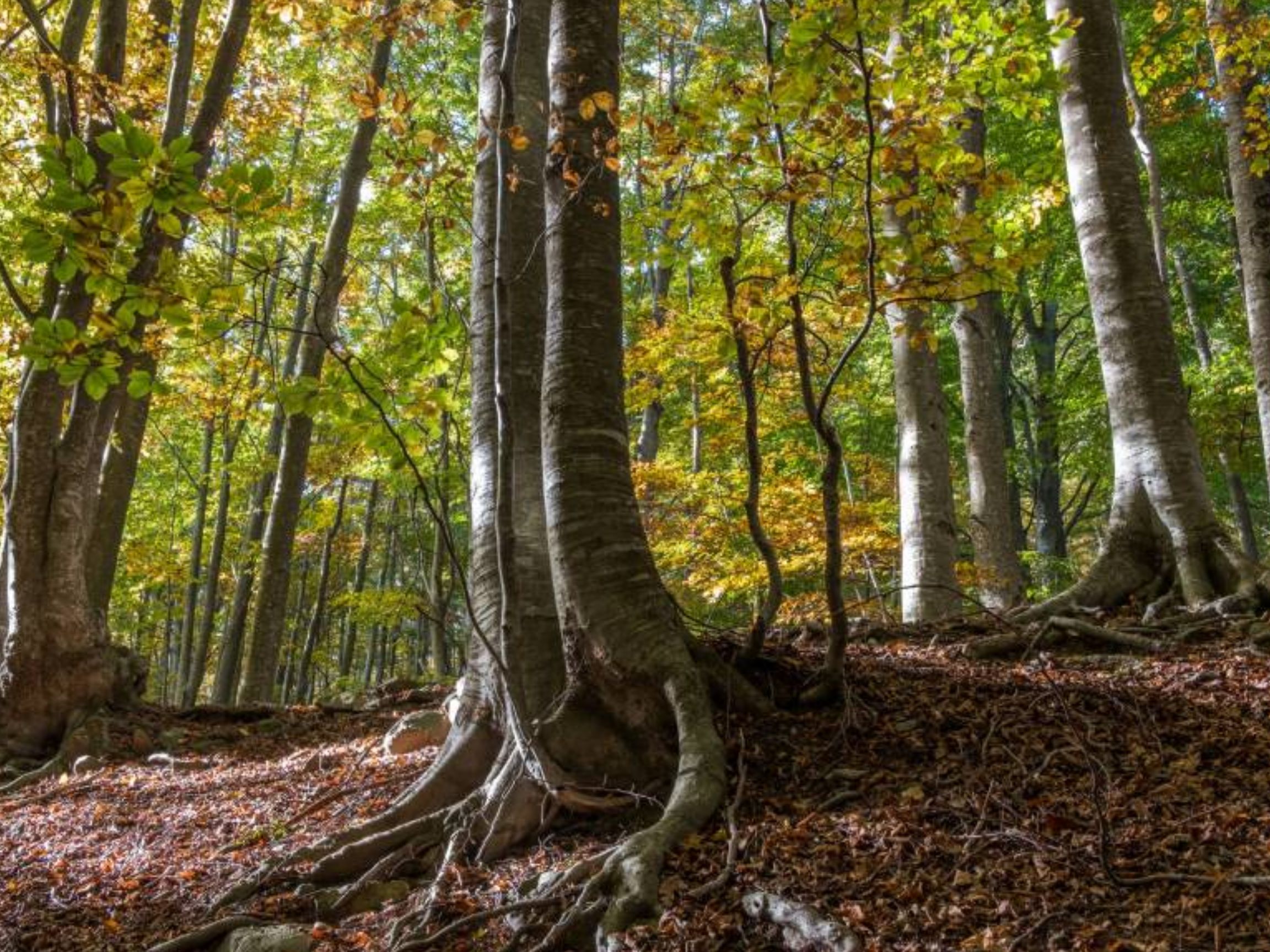
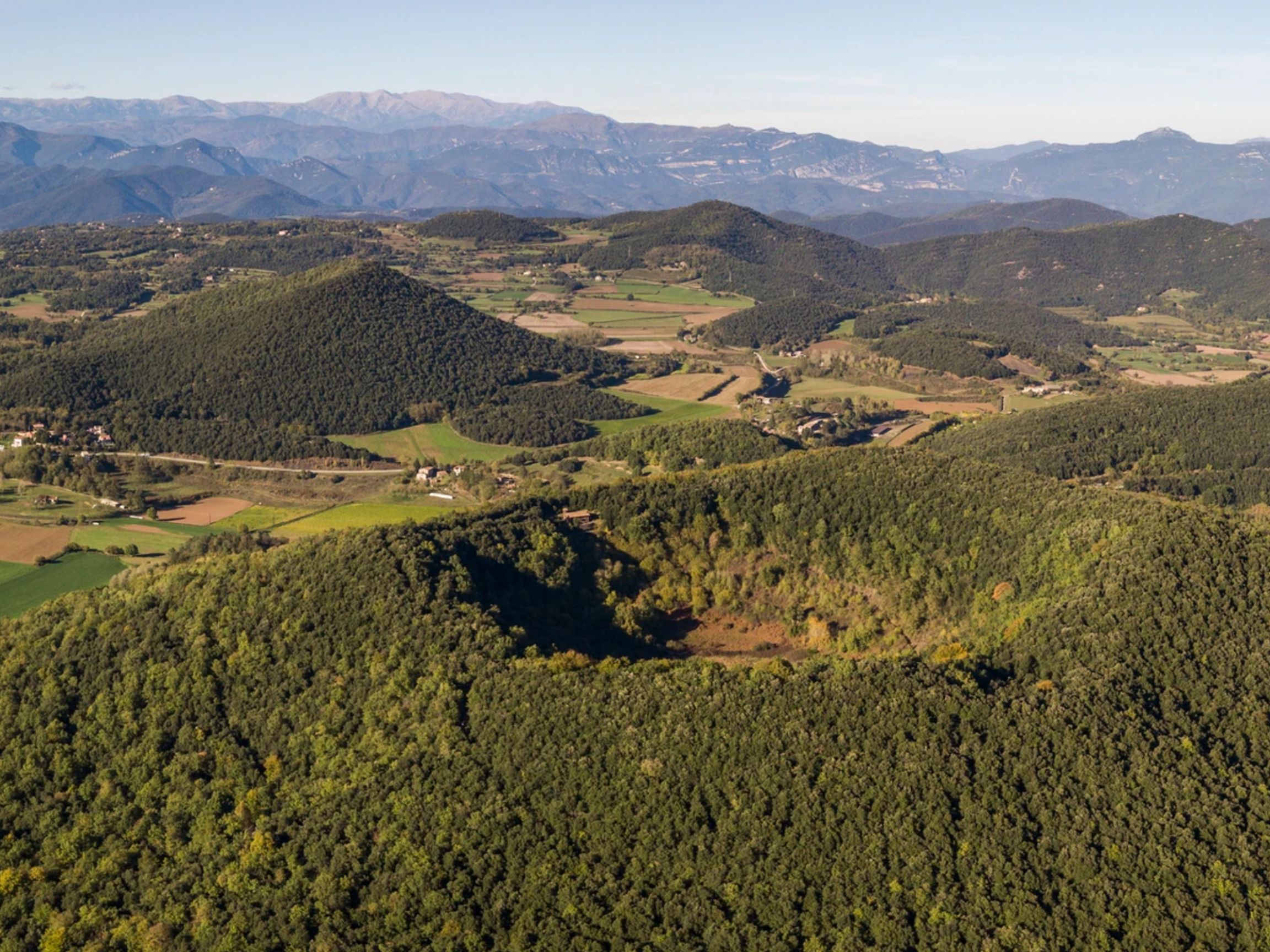
Known for its ancient beech tree forests and volcanic landscapes, La Garrotxa offers some of the most immersive forest environments in Spain. The famous Fageda d’en Jordà forest is perfect if you enjoy quiet paths, soft light, and calming natural surroundings.

- Photo: La Garrotxa Volcanic Zone – Parcs Naturals Official Website
Collserola Natural Park
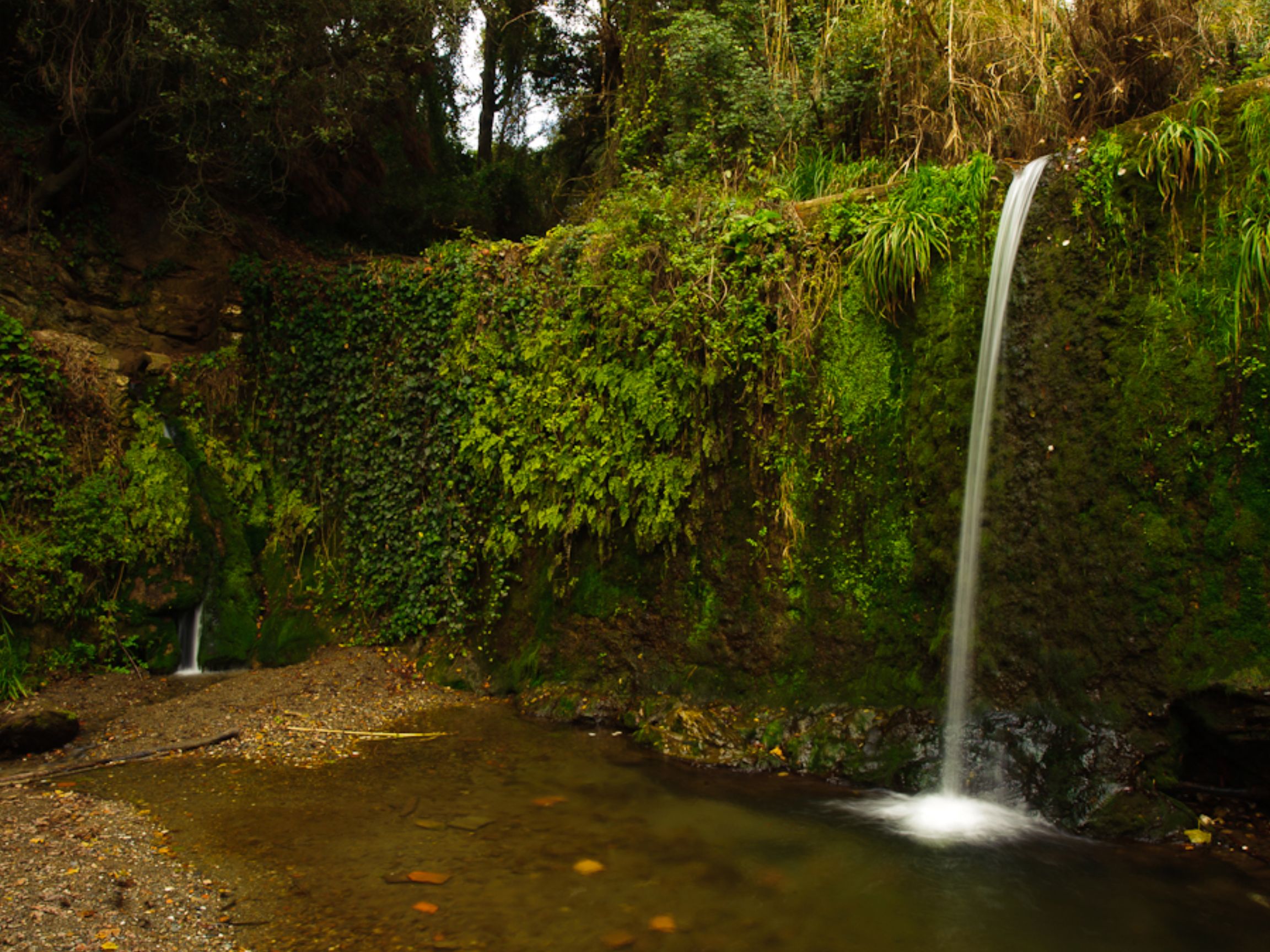
Although it is easily accessible, located near Barcelona’s, Collserola can feel surprisingly remote. It has more than 8,000 hectares of woodland, and provides an accessible escape from urban life and an excellent setting for mindful walking and nature therapy.
- Photo: Collserola Natural Park – Parc Natural Collserola Official Website
Ancient wisdom supported by modern science
Forest bathing was born in Japanese culture, where silence and meditation are highly valued. The act became so significant, that it was transformed into a form of medicine, researched, and proven to improve health and wellbeing. Best of all, it is a practice that is accessible to almost anyone.
In a world that constantly asks us to move faster, forest bathing helps us slow down, pay attention, and allow nature to do what it has always done best: bring us back to the present moment.
Follow us on Instagram to learn more about wellbeing, silence, and meditation @silentfocus.co, and if you like this style of content join our newsletter.