
Can Silence Have a “Sound”?
Silence is usually understood as absence of sound, yet many spiritual traditions speak about the “sound of silence”. As we have stated many times before, silence is not empty. It is a powerful force that shapes how we think, feel, and engage with the world around us. It can actually help us feel deeply present and alive.
In order to reach this level of consciousness, people engage in experiences such as meditations, prayer, time in nature, and silent retreats. All of these help us use silence to connect with our spirit and with ourselves. This is the sound of silence.
What Is the Sound of Silence in Spirituality?
In spirituality, the “sound of silence” is a profound inner stillness, representing a connection to higher consciousness, true self, or the divine. It is often experienced as a high-pitched buzzing, humming, or vibration, sometimes called Nada in yoga, which becomes audible when the mind is calm.
Silence Across Spiritual Traditions
Not only are there many cultures that value silence and view it as something to cultivate, but there are also many spiritual traditions attached to these which revolve around the “sound of silence”.
Buddhism & Zen
In Buddhism, silence is often referred to as “Noble Silence.” Rather than simply not speaking, it is seen as the practice of becoming more aware of the mind, the body, and the present moment. In Buddhism, silence is used to quiet distractions, encourage mindfulness, and create space for deeper self-understanding.
This is the foundation of practices such as Vipassana retreats, where participants remain in complete silence for several days. By removing conversation and external stimulation, participants are able to observe their thoughts, emotions, and physical sensations more clearly.
Additionally, Zen also stems from Buddhism.It is a tradition centered around meditation and direct experience, encouraging people to gain a deeper understanding of themselves and their true nature. In other words, rather than searching for meaning through constant thinking or language, Zen encourages people to experience life fully and directly, cultivating presence in everyday moments.
Hinduism & Yoga
In Hinduism and yogic traditions, silence is not seen as simply the absence of speech, but as a path inward toward inner peace, self-awareness, and connection with the Divine. The Sanskrit term Mauna which, similarly to noble silence, means intentional silence, refers to the spiritual practice of reducing external noise in order to quiet the mind and move beyond constant mental chatter.
During these traditions, silence is often practiced alongside meditation and Sankalpa, which is a heartfelt intention repeated to align the mind and body with a deeper purpose. Through stillness and reflection, practitioners aim to once again cultivate awareness beyond thought, accessing a calmer and more grounded state of being.
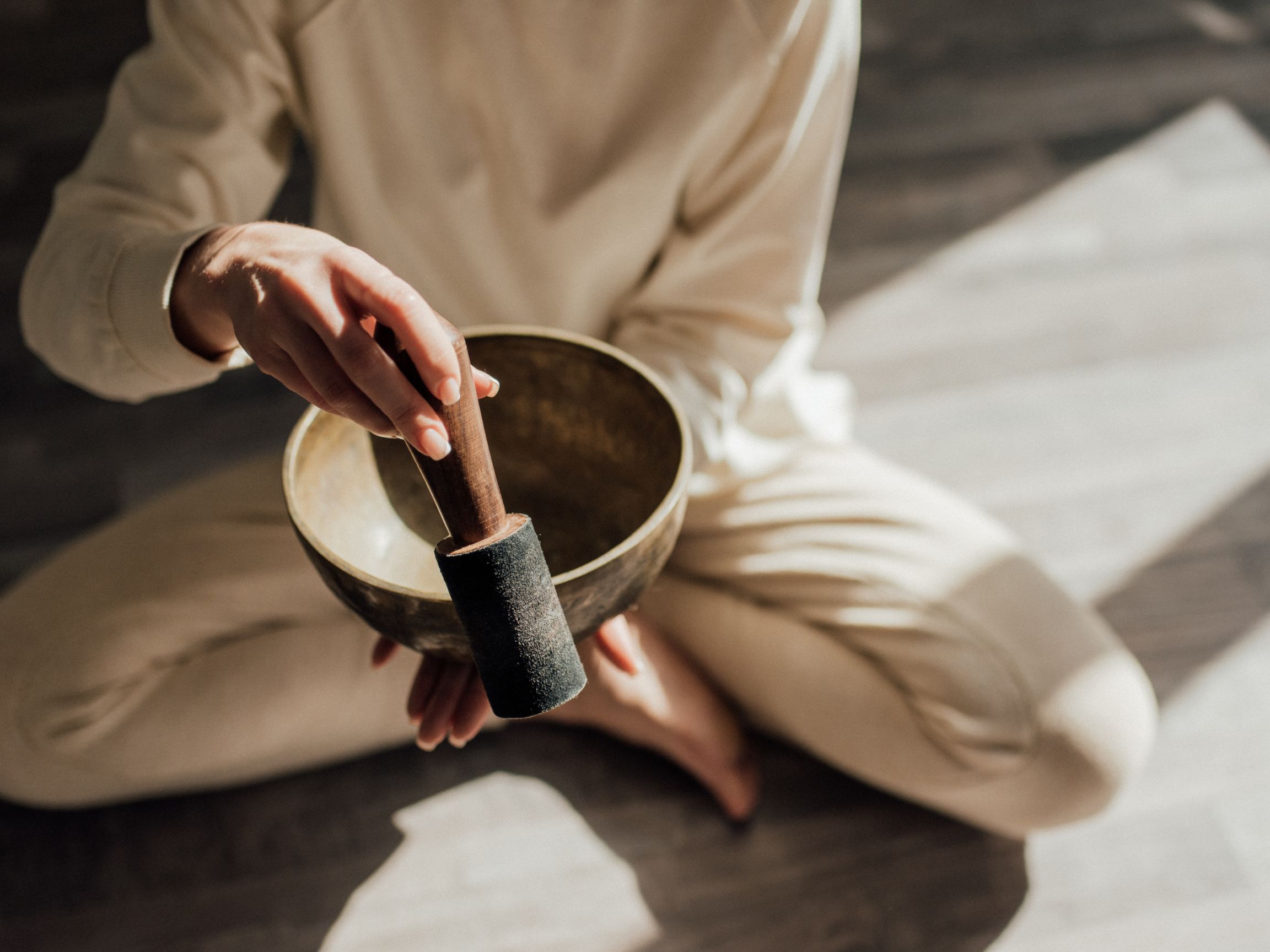
Many yogic traditions also believe that silence carries its own subtle energy or “sound.” In practices such as Nada Yoga, often called the yoga of sound, sound and vibration are seen as fundamental parts of life and consciousness. Practitioners may begin with external sounds like chanting, mantras, singing bowls, or music, before gradually turning their attention inward. The goal is to reach a deeper state of awareness and stillness, where silence itself becomes something that is felt and experienced rather than simply heard.
Christianity
In Christianity, silence is often seen as a way to step away from distraction and become more present with God. Rather than being viewed as emptiness, silence is understood as a space for prayer, reflection, humility, and listening. Many Christian traditions practice contemplative silence as a way to quiet the mind and create a deeper sense of connection and trust.
This idea is reflected in the verse, “Be still, and know that I am God” (Psalm 46:10). This verse encourages stillness, not as passivity, but as a release of constant striving and worry. Through silence and quiet reflection, individuals are invited to slow down, let go of mental noise, and cultivate a greater sense of peace and spiritual awareness.
Indigenous & Nature-Based Traditions
Lastly, in many Indigenous and nature-based traditions, silence is seen as an important part of communication, awareness, and connection to the natural world. Rather than being viewed as awkward or empty, silence often represents respect, patience, deep listening, and thoughtful presence.
These traditions place great importance on silence as a space to process emotions, reflect, and become more aware of one’s surroundings, relationships, and environment. In this way, silence is not understood as a lack of communication, but as a meaningful and active form of it.
Why Silence Feels Spiritual
As we have seen through all of these examples, silence feels spiritual because it creates space to move away from constant doing and toward simply being. When external noise and stimulation decrease, your attention naturally begins to shift inward, where you can reflect, gain emotional clarity, awareness, and a deeper sense of connection with yourself, to nature, or to something larger.
Many of these traditions include quiet moments, because in these, people notice a stronger sense of calm, perspective, and presence. Without the usual distractions competing for attention, it becomes easier to observe thoughts, emotions, and experiences more clearly. In this sense, silence acts almost like a gateway between the external world and our inner world, helping remove the distractions between us and ourselves.
Experiencing the “Sound of Silence” Yourself
Experiencing silence does not necessarily require hours of meditation or complete isolation. Often, it begins with creating small moments throughout the day where you intentionally step away from noise, distraction, and constant stimulation.
This can be as simple as:
- sitting in silence for five minutes each morning
- practicing mindful breathing
- going on a silent walk without music or your phone
- journaling and reflecting at the end of the day
- spending quiet time in nature
- practicing meditation
For some people, silent retreats also provide an opportunity to experience silence more deeply. By stepping away from daily responsibilities, technology, and conversation, retreats create space for reflection, awareness, and rest in a way that can be difficult to access in everyday life.
Most importantly, practicing silence is not about achieving a “perfectly quiet” mind. Thoughts will still appear. Distractions will still arise. The goal is simply to become more present with yourself, your surroundings, and the moment you are in.
Silence Is Not Empty
Clearly, we have seen how across so many spiritual traditions silence is used as a meaningful, transformative, and connective resource. Being in silence is a way to connect with oneself and with the universe.
At the end of the day, the sound of silence may not be something we hear with our ears, but something we experience when the mind becomes quiet enough to listen.
Learn more about how to cultivate silence on our Instagram @silentfocus.co, and if you like this style of content join our newsletter.