
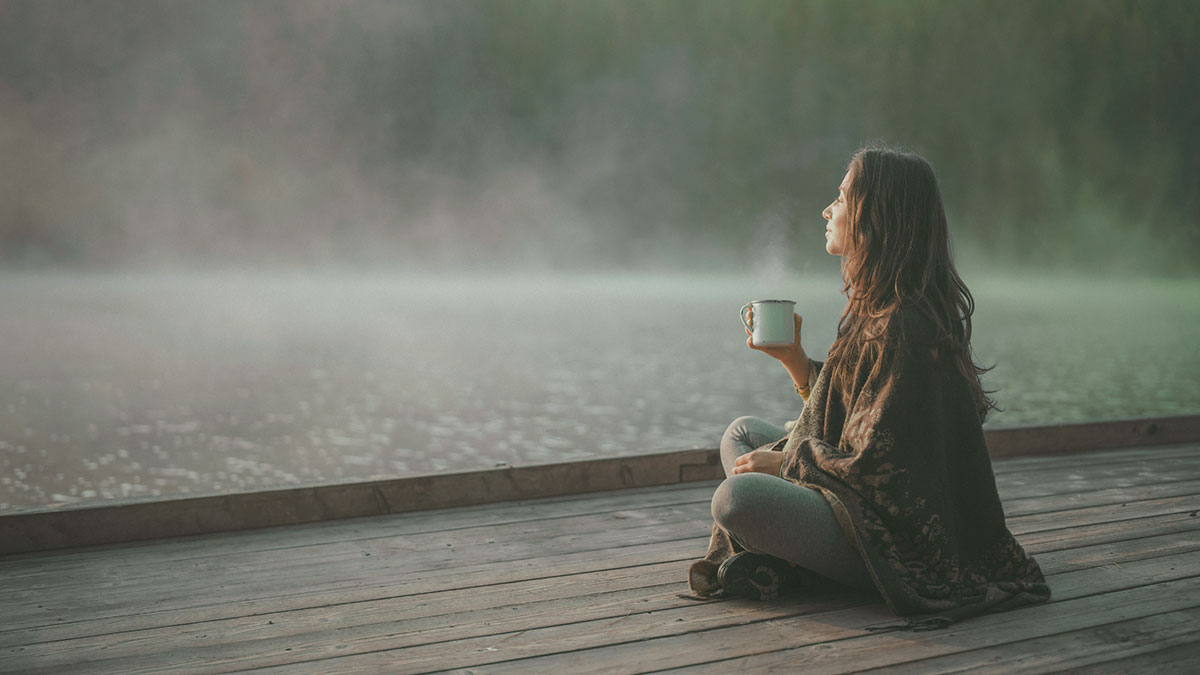
Inhabiting moments of stillness is not a luxury but a skill that can be developed. Practicing silence means consciously choosing to slow down, release internal chatter, and regain presence. It’s not just about not speaking, but about creating spaces where the mind and body simply are. This practice can be learned day by day, even if you’ve never meditated before.
Although it may seem intangible, silence is a concrete practice that directly impacts mental health, focus, and overall well-being. According to the National Center for Complementary and Integrative Health (NCCIH), mindfulness and meditation practices can significantly reduce perceived anxiety and stress levels, as well as improve sleep and emotional balance. In other words, incorporating moments of silence into your day is not just rest, it’s preventive health.
What Practicing Silence Really Means
Practicing silence is not only about stopping speech. It’s a process of sensory detox: turning off screens, slowing down, and pausing the constant flow of information. This kind of practice has deep roots in spiritual and philosophical traditions across cultures. In yoga, it’s known as mauna; in Buddhism, as noble silence. In both cases, the purpose is the same: to allow the mind to quiet down and see more clearly.
Modern neuroscience supports this ancient principle. A study from the American Psychological Association notes that people who practice mindfulness or regular periods of silence show up to a 30% reduction in stress levels measured by cortisol and sustained improvement in emotional regulation. Silence is not passivity, it’s mental training.
Ways to Practice and Cultivate Silence Every Day
Integrating silence into your routine doesn’t require a full silent retreat. It can be incorporated through small daily gestures:
- Upon waking, breathe without your phone, without music, without urgency.
- During your commute or walk, skip the podcast, radio, or headphones. Let your surroundings and your breath set the pace.
- During your work break, allow 5 or 10 minutes without opening apps or checking messages, just conscious breathing.
- Before bed, turn off screens 20 minutes early and find a comfortable place to sit in silence.
Even in noisy urban settings, these moments can be created. You don’t need a forest, just a conscious decision not to fill every space with words or sound.
Silent pauses are not a wellness luxury, they’re an essential component of cognitive clarity. When the brain isn’t overloaded with stimuli, it activates neural networks associated with creative thinking and memory consolidation.
This explains why your best ideas often appear in the shower, while walking, or before sleep, those are the moments when mental noise is suspended. Regular practice of silence creates fertile ground for creativity, intuition, and more conscious decision-making.
Common Obstacles When Practicing Silence
Many people believe they can’t practice silence because they “don’t have time” or their mind “won’t stop talking.” The truth is that the biggest obstacle isn’t external but internal, that constant voice seeking stimuli, reacting, running, or concentrating on the past or future.
Recognizing that silence can feel uncomfortable is the first step. Instead of fleeing at the first impulse of distraction, observe what’s happening. Allow yourself to feel that discomfort, that urge to speak or check your phone. Silence doesn’t depend on the absence of stimuli, it depends on not reacting to them.
From Daily Silence to Inner Retreat
When these small moments are integrated into daily life, the next step can be experiencing a silent retreat. This type of experience proposes a complete disconnection from usual stimuli: no music, no reading, no conversation, and a light, balanced, and sattvic diet.
The impact of a silent retreat can be profound, people discover a clearer mind, more stable emotions, and a sharper perception of their surroundings. Silent retreats like those organized by Silent Focus combine silence, meditation, movement, and mindful nutrition to facilitate full reconnection.
If you want to learn more about the effects of these experiences on the mind and body, you can read our article Benefits of a Silent Retreat, where we explore its emotional and physiological impact in more detail.

Integrating Silence as a Way of Life
Practicing silence is not a one-time goal, it’s a way of living more consciously. You can transform simple moments into spaces of presence in your commute, a shower, or a meal without distractions. Over time, these moments become your refuge and your source of balance.
Even in professional contexts, silence can be strategic. Companies and creative teams are beginning to incorporate silent pauses into meetings or workdays.
Silence is a way to return to your centre, even amid movement. With each conscious pause, we remember that calm doesn’t depend on the environment but on our attention.
Spending just a few minutes a day practicing silence can be the beginning of a more peaceful relationship with your mind, your emotions, and your surroundings. Each quiet breath is an opportunity to return to yourself.
Discover more about cultivating silence on our Instagram: @silentfocus.co