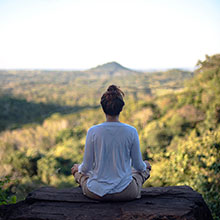
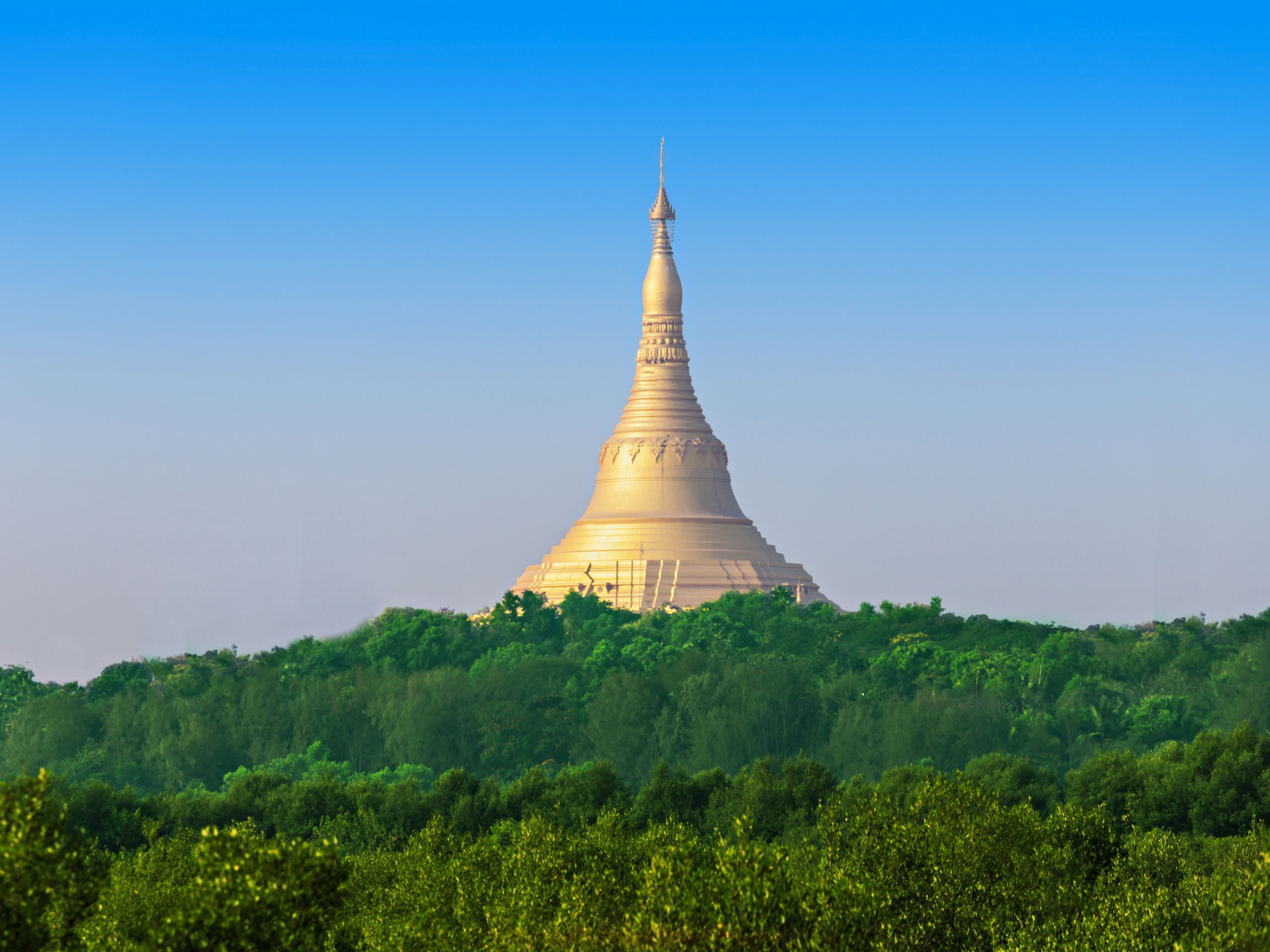
If you have ever done any research on silent retreats, you have probably also come across Vipassana. So, let’s explore what Vipassana is, and how different it is from other silent retreats.
What is Vipassana
Vipassana, which means “to see things as they really are”, is one of India’s most ancient techniques of meditation. It was rediscovered by Gotama Buddha more than 2500 years ago. The technique of Vipassana Meditation is taught on a ten-day residential course during which participants follow a prescribed code of discipline, learn the basics of the method, and practice sufficiently to experience its beneficial results. It is important to keep in mind that Vipassana is traditionally taught as a strict meditation path, not a wellness retreat.
What is Vipassana Meditation
There are three steps to the training:
- First, one must practice sila (Morality), where one abstains from actions that will cause harm, such as killing, stealing, sexual misconduct, lying and the use of intoxicants.
- Second, for the first three and a half days, one practices Anapana mediation, or in other words, the observation of breath. The goal is to gain control over the unruly mind.
- Third, for the last six days, is the actual practice of the Vipassana, where one observes their bodily sensations and “one penetrates one’s entire physical and mental structure with the clarity of panna”, which is wisdom and insight.
During the entire time there is a big focus on non-reaction, impermanence, and deep self-observation. It is important to once again mention the intensity of this practice. There are long hours of seated meditation (about 10 hours a day), and there is minimal variation in the daily structure.
What Happens in a Vipassana Retreat? What to expect
- Days usually start at 4am, starting with a 4:30am meditating session. Like mentioned before, the first days usually revolve around awareness of breath.
- Around 6am breakfast is served. During a Vipassana retreat, the meals are simple vegetarian or sattvic.
- Around 8am there is some group meditation.
- At 11am there is a two-hour lunch break and rest.
- From 1-5pm afternoon meditation is practiced, with breaks.
- From 6-9pm there is afternoon group meditation.
- 9:30pm is bedtime.
This may vary depending on the retreat, but most follow the same schedule as to not sway from the Vipassana way. Some centres practice gender separation, and some also have an allocated time where one can speak to the teacher for any thoughts or concerns one might have. Other than that, teachings are usually delivered through recorded talks or videos.
As seen, there are usually 2, sometimes 3 vegetarian meals per day. Needless to say, it is a silent retreat, where the first 9 days are complete silence (no talking, writing, eye contact, or gesturing to other participants). The tenth day does allow for talking to help transition back to normal life.
Where Can You Go on a Vipassana Retreat in Spain?
Vipassana centers are donation-based mediation centers, often part of the Dhamma network. Courses in Spain are being organized in two centers.
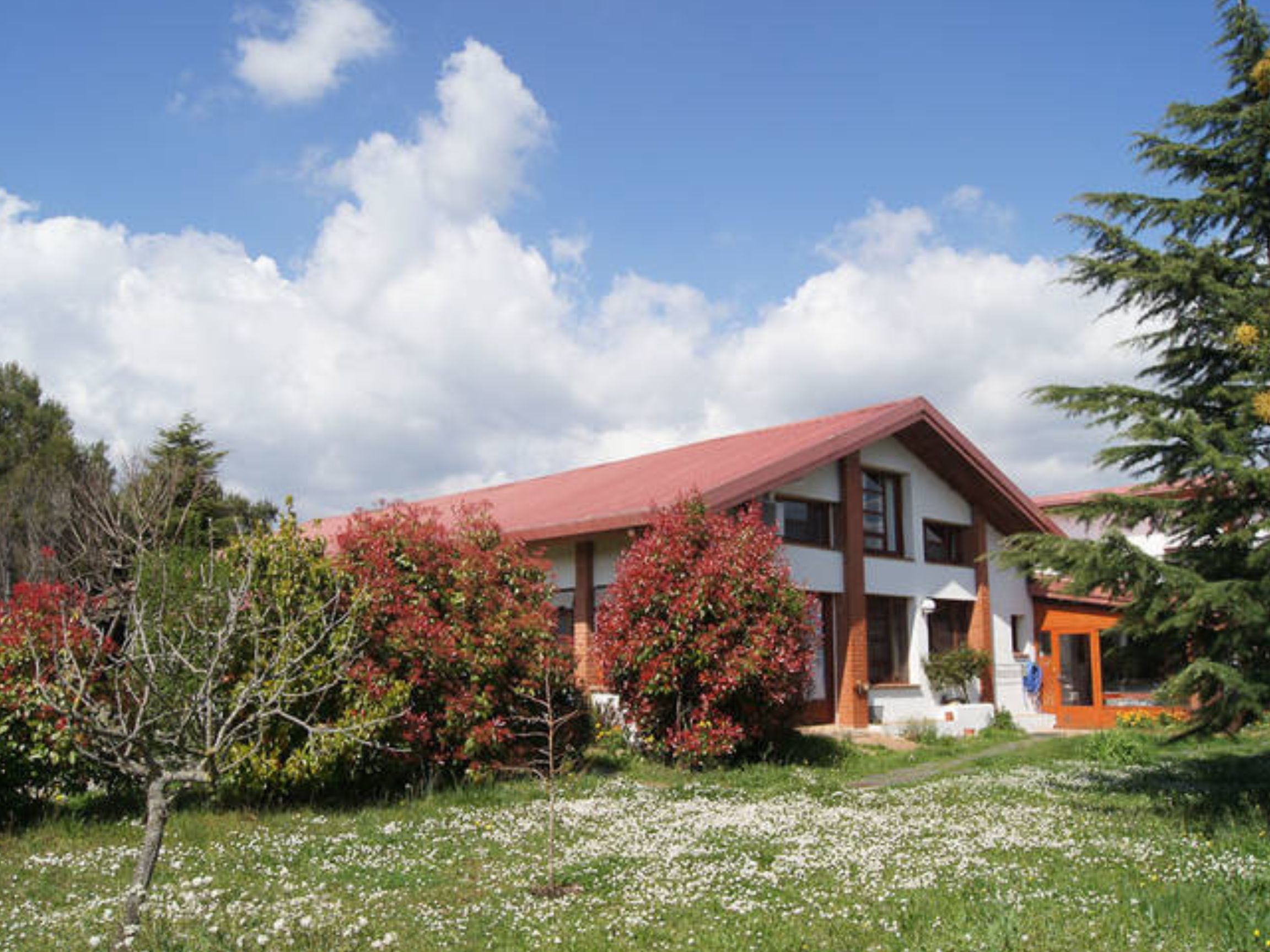
1. Dhamma Neru: Located near Santa Maria de Palautordera, about 56 km northeast of Barcelona, Dhamma Neru was the first dedicated Vipassana meditation centre in Spain and has been serving practitioners since around 2000. The centre is surrounded by tall trees, fruit trees, and ornamental plants, with the Montseny mountain range rising to the north. Its position roughly 400 meters above sea level and just 30 minutes from the Mediterranean gives it a mild, sometimes rainy climate.
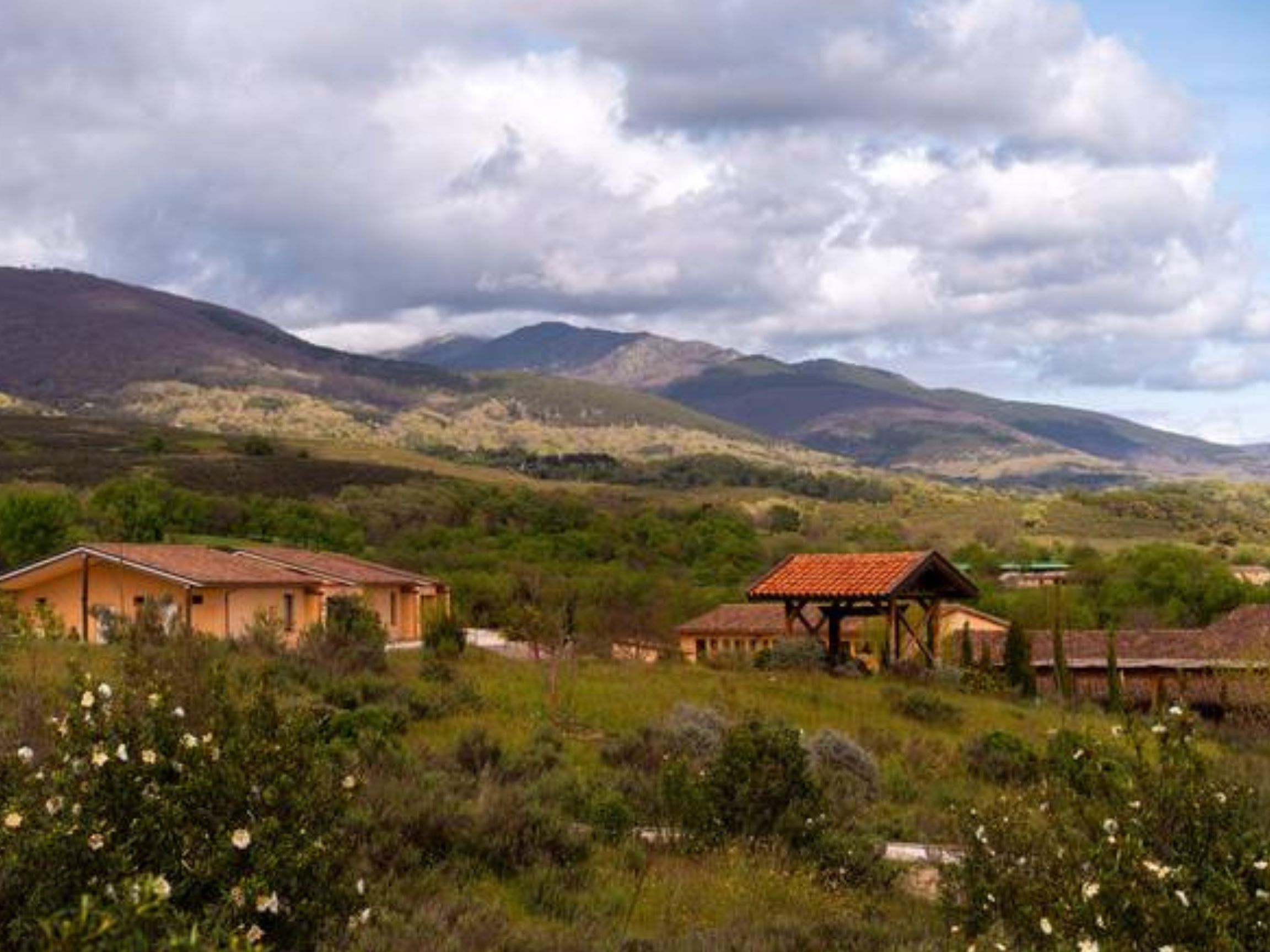
2. Dhamma Sacca: A newer centre that opened its doors in 2016 and lies in Candeleda, in the Ávila province, roughly two hours from Madrid. Set against the backdrop of the Sierra de Gredos mountains, including views of Pico Almanzor, the centre occupies reforested land with oaks, cork oaks, and ash trees.
Keep in mind that demand is high, and waiting lists are common.
Cost Comparison: Vipassana vs Silent Retreats
As mentioned, Vipassana retreats operate on a donation-based model, with no fixed cost for participation. In line with their monastic roots, they offer minimal amenities, simple accommodation, and a highly structured environment focused solely on the meditation practice itself. The experience is intentionally austere, reinforcing discipline and self-reliance.
Silent retreats, such as those offered by Silent Focus, are a completely different experience. They have several different types of activities offered so it is more accessible to the average guest. This includes, yoga, art projects, hiking, breathwork and meditation. Group sizes are often smaller, allowing for a more personalized and supported experience.
How Our Silent Retreats Differ from Vipassana
There are some key differences to highlight:
| Characteristics | Vipassana | Silent Retreat |
| Structure | Rigid schedule, one meditation technique | Flexible structure, optional practices |
| Approach | Spiritual discipline and self-liberation | Reflection, rest, clarity, nervous system reset |
| Accessibility | Intense, not beginner-friendly for everyone
10hrs of meditation per day |
Suitable for first-timers, professionals, creatives, leaders
4hrs of meditation per day |
| Environment | Functional and minimal | Luxury and nature-focused, aesthetically calming, wellness-oriented |
Why Choose a Silent Retreat Instead of Vipassana?
It really is a choice about what suits you, your experience, and your goal.
Choose a Vipassana retreat if:
- You want deep meditation discipline
- You are ready for physical and mental intensity
- You are seeking a traditional spiritual path
- You are ready to commit to a 10 day retreat or 10hrs of seated meditation a day
Choose a silent retreat if:
- You want to rest and clarify without strict rules
- You are navigating burnout, transition, or decision-making
- You want silence without pressure
- You prefer guidance, nature and balance
- You can commit to a 4 day retreat
- You are looking for a retreat for your team
- You still want the full experience: specific meals, meditation, silence, but maybe a little less intensity.
In conclusion, silence takes many forms. Vipassana offers a profound, traditional path, while silent retreats offer a gentle, more adaptable entry into silence. Choose the experience that supports where you are now.
And remember, at the end of the day there is no “better option”, only what fits your needs and stage of life.
Discover more about cultivating silence on our Instagram: @silentfocus.co.