
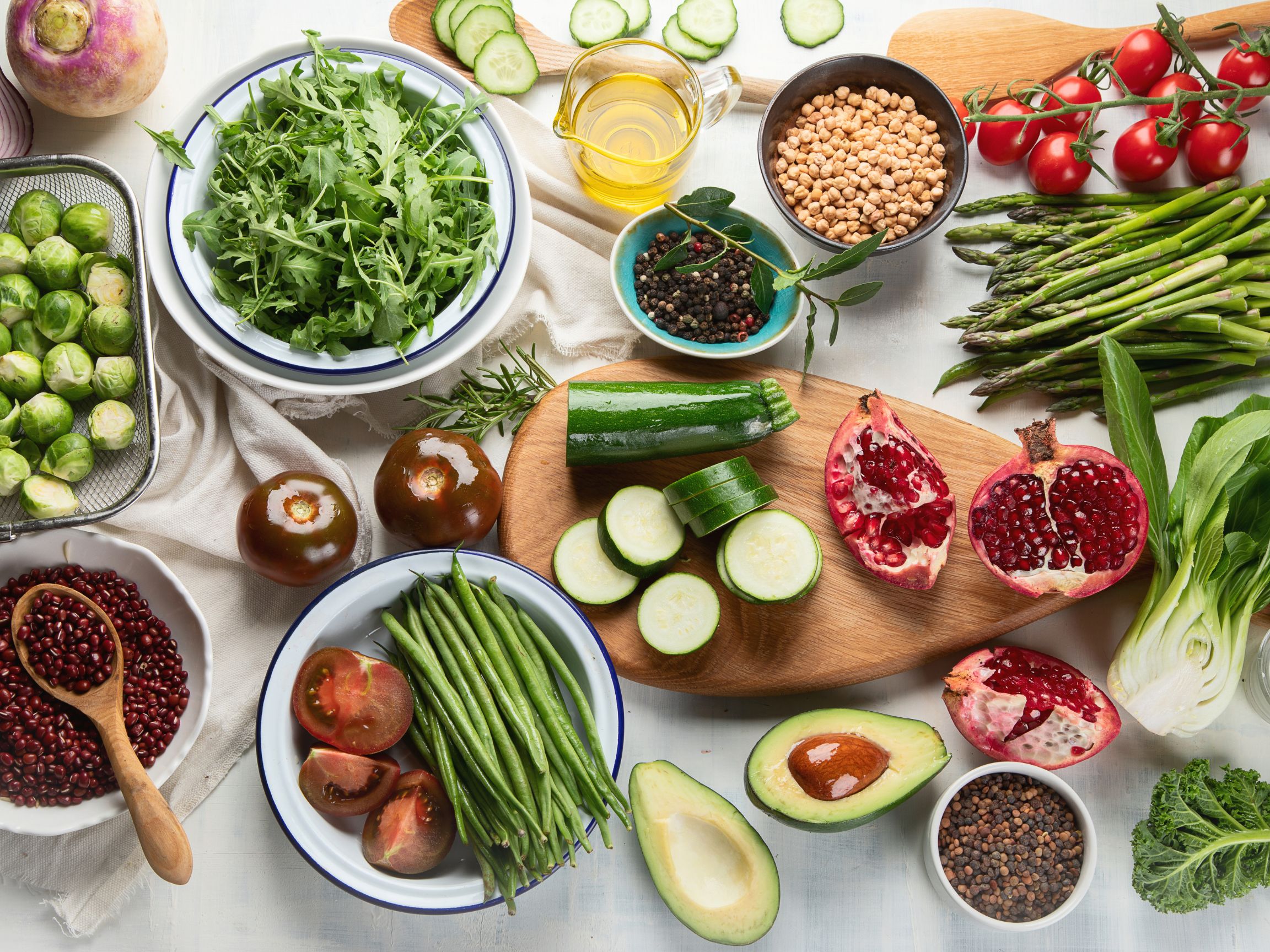
Food as Fuel for the Brain
We often think of food in terms of physical health, but what we eat also shapes our mental clarity, mood, and productivity.
The brain consumes a large portion of the body’s energy and relies on a steady supply of nutrients to function well. Therefore, you need to be eating foods that give you stable energy and at the same time balance your brain chemistry. This way, it becomes easier to concentrate, think clearly, and manage stress.
In other articles we have talked about the Sattvic diet, what mindful eating looks like, and a how-to of practical techniques to practice mindfulness in the moment. To bring it all together, this article explains more in depth about how healthy foods and nutrition support brain health, energy, and productivity through a more biology-based approach, connecting food to productivity and retreat nutrition.
How Nutrition Affects Brain Function
Nutrition is extremely important when it comes to brain function. For the average adult in a resting state, the brain consumes about 20 percent of the body’s energy. This is because the brain’s primary function, processing and transmitting information through electrical signals, uses a lot of energy.
Not only that, but nutrients in food are essential to the production of your body’s feel-good chemicals, such as serotonin and dopamine. These are two very important neurotransmitters: Serotonin regulates your mood, helps you sleep and even affects your appetite, while dopamine manages motivation and attention, helps keep you moving and feel pleasure.
Blood sugar stability is becoming a more prominent issue amongst the population, and this is not only important for physical health, but also for focus and emotional balance. Stable blood sugar levels are crucial for maintaining consistent energy, allowing for enhanced focus, better memory, and improved cognitive performance
Lastly, diets in high processed foods can contribute to energy crashes and mental fatigue.
So, what key nutrients that support brain health should you be consuming?
- Omega-3 fatty acids (chia seeds, flaxseeds, walnuts): Support brain cell function. About 60% of the brain is composed of these, and research suggests diets rich in omega-3s, combined with a low saturated fat intake, may lower the risk of cognitive decline
- B vitamins (brown rice, quinoa, lentils, chickpeas, spinach, kale, avocado, yogurt): Support energy metabolism. B vitamins, including B6, B12 and folate, are known for their role in metabolizing one of the amino acids in protein. High levels of this amino acid are considered a risk factor for cognitive impairment, such as dementia and Alzheimer’s disease. Although research on B vitamin supplementation and cognitive function remains unclear, one should always keep track of their vitamins (all of them), for physical and mental wellbeing.
- Magnesium (almonds, cashews, pumpkin seeds, spinach, black beans): Supports stress regulation and metabolism. Magnesium helps regulate metabolism and maintain balance across many systems in the body. In the brain, it helps nerve cells communicate properly. Low magnesium levels have also been linked to increased inflammation in the brain, which researchers associate with neurodegenerative conditions such as Alzheimer’s and Parkinson’s disease.
- Antioxidants (carrots, tomatoes, sweet potatoes, green tea, turmeric, dark chocolate): Protect brain cells from oxidative stress. The brain is particularly susceptible to damage caused “free radicals”, substances that attack healthy cells. Vitamins C and E are antioxidants and are known to help minimize damage caused by chronic stress and free radicals.
The Role of Plant-Based and Sattvic-Inspired Foods
In yogic and Ayurvedic traditions, foods are often categorized by how they influence energy and mental state.
Sattvic foods are typically:
- fresh and cooked
- natural
- minimally processed
- largely plant-based
- with no onion or garlic
Common examples are:
- vegetables
- fruits
- whole grains
- legumes
- nuts and seeds
- herbs and mild spices
- dairy like yogurt or ghee (in some traditions)
Modern adaptations sometimes include small amounts of fish for omega-3 fats.
These foods are believed to promote:
- calmness
- mental clarity
- balanced energy
This is one reason why many wellness and meditation retreats serve simple vegetarian meals.
Food and Productivity: Sustaining Energy throughout the Day
Just as the body needs proper nutrition to stay physically healthy, the brain also depends on the right foods to function well. Diet plays an important role in supporting brain function and overall cognitive performance.
Heavy or highly processed meals can cause:
- fatigue
- brain fog
- energy crashes
Meanwhile, balanced meals with whole foods support:
- sustained concentration
- clearer thinking
- better decision-making
- improved creativity
Why Retreats Emphasize Simple, Nourishing Meals
Many wellness retreats and silent retreats intentionally serve meals that are: vegetarian or mostly plant-based
- simple and easy to digest
- rich in whole foods
- not overly heavy or processed
This is for the many reasons that we have listed above, but also because during these retreats they promote:
- lighter digestion which supports mental clarity
- stable energy which helps with meditation and reflection
- nutritious meals which support emotional balance
The goal is not restriction but providing food that supports the body while allowing the mind to remain calm and focused.
If you like these benefits, and want to incorporate this into your daily life, we have another article that discusses what mindful eating looks like in everyday life, and explains the bigger habits and broader practices that help people eat more mindfully over time.
And if that’s not enough, here is a recipe of a meal you can try at home!
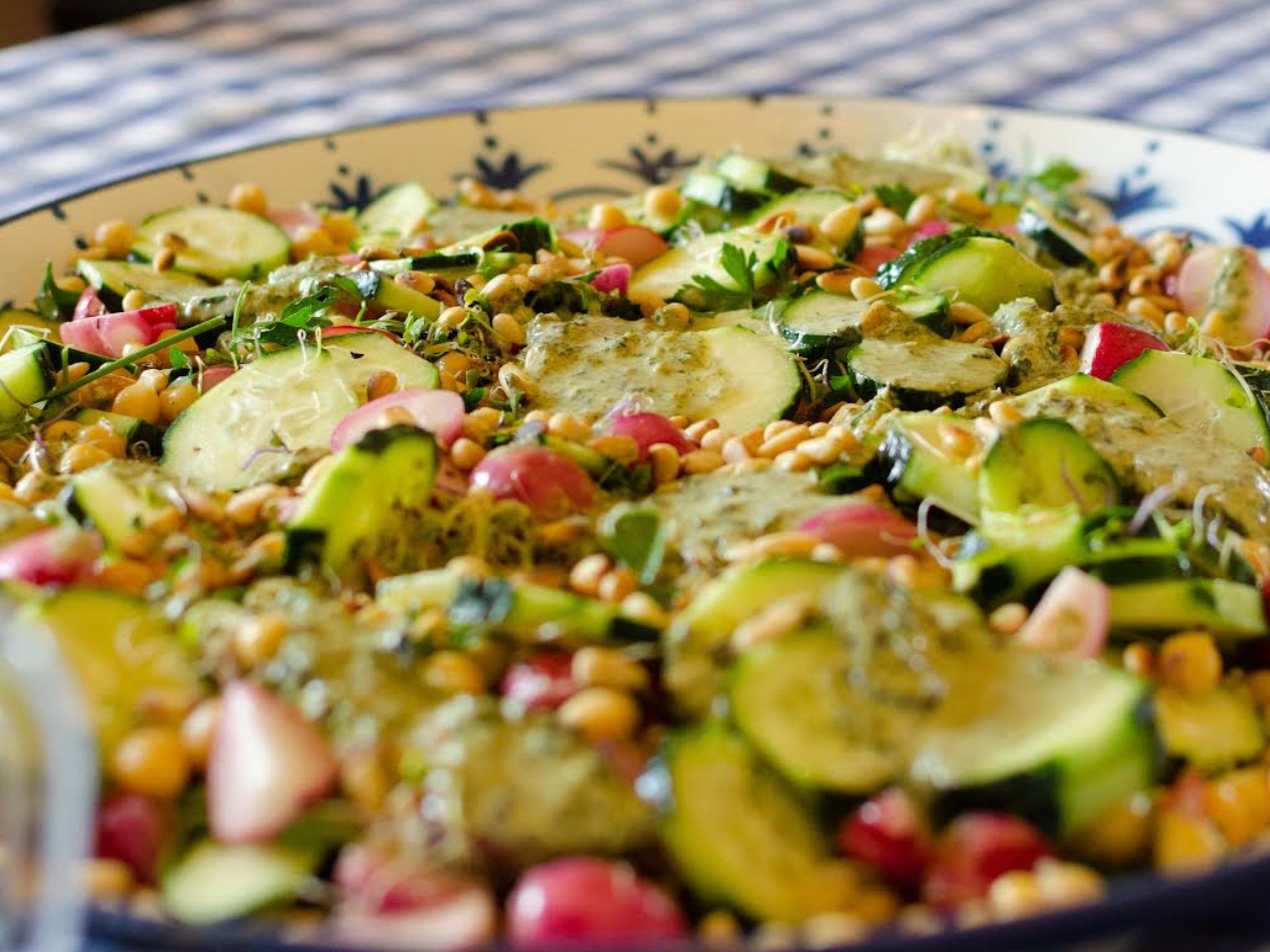
Grilled Radishes with Chickpeas and Cucumbers
Time to prepare: ~30 min
Green-Radish Dressing
- 1 cup radish greens (if unavailable use spinach or kale)
- 1/3 cup basil, chopped
- 1/2 teaspoon lemon zest
- 1 tablespoon lemon juice
- 1/2 teaspoon honey or maple syrup
- 1/2 teaspoon salt
- 3/4 cup plant based green yogurt
- 2 tablespoons extra-virgin olive oil
Radishes, Chickpeas & Cucumbers
- 8 radishes
- Extra-virgin olive oil, for drizzling
- Salt and freshly ground black pepper
- 1 1/2 cups marinated chickpeas
- 2 cucumbers, thinly sliced
- 2 tablespoons finely chopped parsley
- 2 tablespoons toasted pine nuts
- Salt for sprinkling
Marinate the chickpeas with 1/2 tablespoon of olive oil, 1 tablespoon of lemon juice, 1/4 teaspoon Dijon mustard, salt and 2 tablespoons of chopped fresh herbs and set aside.
Make the radish dressing
Bring a small pot of water to a boil and set a bowl of ice water nearby. Drop the greens into the boiling water to blanch. Remove the greens after about 10 seconds, or until just wilted, and transfer to the ice water. Drain the greens, pat dry, and chop.
In a food processor, place the radish greens, basil, lemon zest, lemon juice, honey, salt, and yogurt. Pulse until well combined. Drizzle in the olive oil and pulse again. Chill until ready to use.
Preheat a grill to medium-high. Thinly slice 2 radishes and set aside. Drizzle the remaining 6 whole radishes with olive oil, salt and pepper and grill 3 minutes per side, or until charred around the edges. Slice any large radishes in quarters and small ones in half.
Assemble the dish with the marinated chickpeas, cucumbers, sliced raw radishes, and parsley and toss gently. Add the grilled radishes, pine nuts, drizzles of olive oil, salt, and dollops of yogurt sauce. Serve with remaining sauce on the side.
This is a nice salad which is best to be eaten at lunch time if you want to adhere to a Sattvic diet
Conclusion: Nourishing the Mind Through Food
In this article, we explored how nutrition affects the brain, and what food choices support both wellbeing and performance, as well as why many retreat programs emphasize simple, plant based-meals.
Whether at home or during a retreat experience, choosing nourishing meals can support both wellbeing and focused work.
Sometimes the simplest foods can offer the greatest support for a clear mind and balanced life.
Follow us on Instagram for more content like this @silentfocus.co!